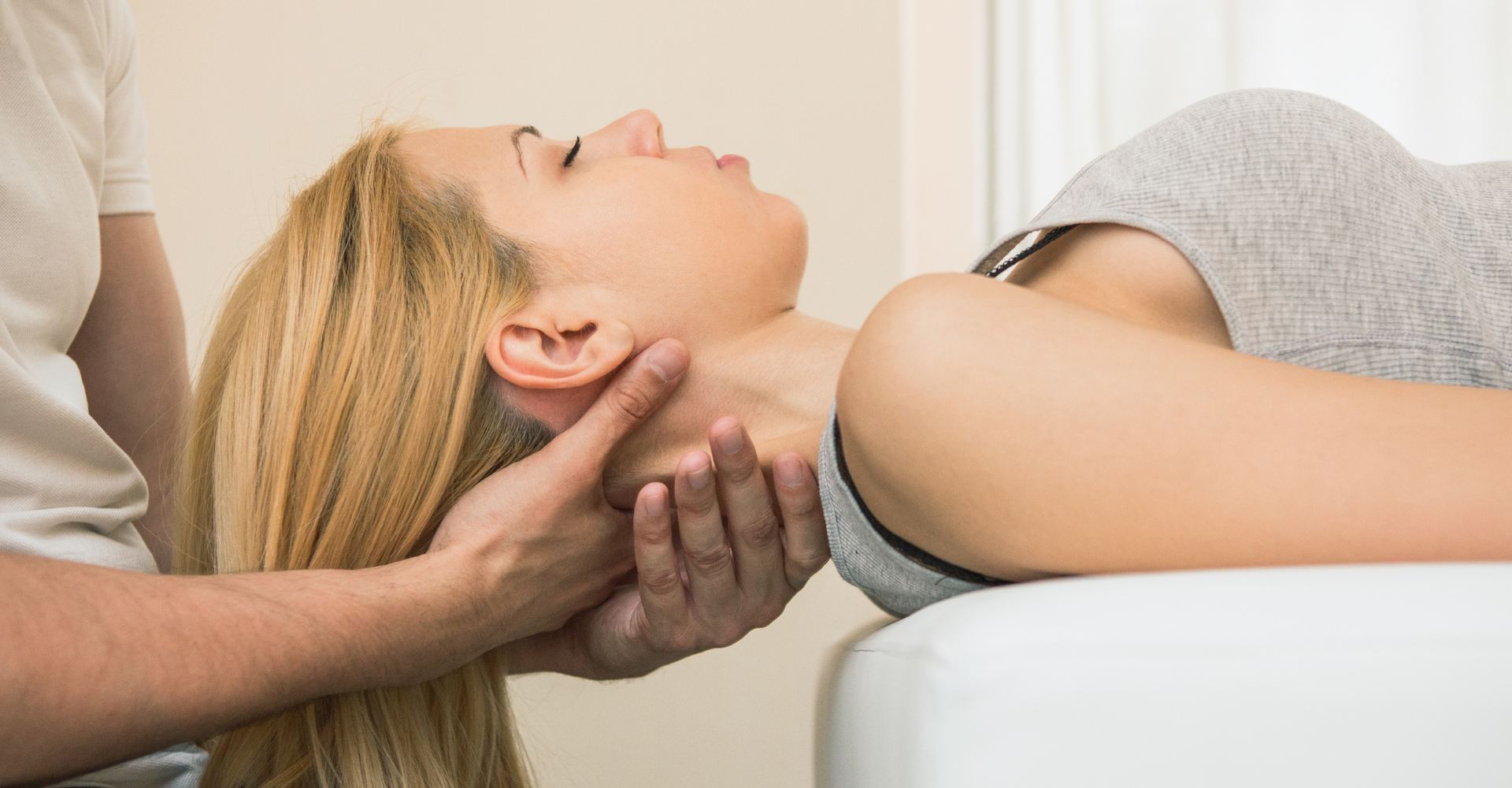
There is a difference between Chiropractors, Osteopaths, and Physiotherapists in their approach, techniques, and goals for their patients. What is the difference between a Chiro, Osteo, and a Physio regarding what they do, why they do it, and how they do it?
Similarities
There are many reasons people may seek help from an Osteopath, Physiotherapist or Chiropractor, and plenty of benefits provided by each option. All of these professions are focused on helping you regain your health – they just go about it in slightly different ways.
In New Zealand, Osteopaths, Physiotherapists, and Chiropractors are all classified as primary healthcare providers, which means that they are all able to diagnose and treat a wide range of musculoskeletal and pain conditions. They are also all able to access ACC to help fund the treatment of injuries caused by accidents. If your condition requires medical assessment or management, they are all able to arrange to images such as x-ray or ultrasound (MRI usually requires specialist referral) or referral to an appropriate specialist or back to your GP.
All three professions require four to five years of tertiary education to use their titles. This means that regardless of your choice, you can be confident that they have obtained comprehensive training in the assessment and management of a wide range of conditions.
Osteopathy vs physiotherapy and chiropractic are three holistic or alternative medical treatments which are primarily designed to aid physical well-being, repair and regenerate the body, and improve general well-being in the long-term. Broadly speaking, all three treatments have the same desired outcome, but they approach physical well-being from different perspectives and will use subtly different techniques.
Physiotherapy
Physiotherapy aims to restore movement and function when someone has been affected by illness, injury or disability. It is also used as a means of ensuring that a similar illness or injury does not affect you in the future. Physiotherapy is a treatment where the patient is encouraged to plan and participate in their own care. At the core of musculoskeletal physiotherapy is the patient’s involvement in their own care and rehabilitation. Therefore, much of the time is spent on exercise prescription and explanation to empower the patient to participate in their own recovery rather than providing more passive hands-on treatment such as massage or manipulation.
Osteopathy
Osteopathy aims to reduce pain and return the patient to full function as quickly as possible. This is achieved first by assessing how the body moves and a hands-on assessment of the tension within the muscles and joints to correctly identify the cause of the problem. Once a diagnosis is established, they address dysfunction to assist the body’s ability to regulate and heal itself. Osteopaths use a wide range of manual techniques including soft tissue massage, joint articulation, and manipulation, and often also include self-help strategies and exercises to help speed recovery not excluding a wider treatment plan that focuses on diet, lifestyle and empowering the patient.
Chiropractic Therapy
Chiropractic treatment focuses on the same system of the body as osteopathy– the musculoskeletal system. This means that chiropractic treatment is also concerned with the muscles, the joints and the ligaments of the body. Chiropractors treat mechanical disorders of the musculoskeletal system, using their hands to treat joints and muscles. They use a range of techniques, but their emphasis is on manipulation “cracking” of the spine to reduce tension and to align the spine to allow proper function of the nerves. Chiropractors will also often utilise x-rays to aid in diagnosis as they believe that precise spinal alignment is important for health.
Our Personal Opinion Here at Total You Osteopathy
It is important to understand that although each profession has its umbrella scope of practice, I believe there are no two practitioners the same. This concludes, what I believe to be the main answer to this question to a nice summary. Health care, good health care is about you as an individual. You and 10 other people may have lower back pain, but you have a history of motor cross injuries, 3 children under the age of 5 and job you love and want to do your best at. These additional factors need to be considered in your treatment recovery plan. Your limitations and barriers need to be evaluated so your exercises, and lifestyle modifications can be achievable for you. You practitioner needs to be able to explain your injury and all the factors that have led your there in a way you understand. You need to have the “WHY” explained to you in a way you can relate to, so you know why you have been asked to do an exercise daily, or why you have to take magnesium.
Therefore, if that practitioner wears a chiropractic hat, and osteopathic hat or a physio hat, if they fail to see the person in front of them, in my opinion, it is no different than you googling your injury and creating your own treatment plan.
Finding the right practitioner is a partnership. If you’d like to book an appointment or a 15 minute free phone consultation, please click the button below.