SHARING IS CARING
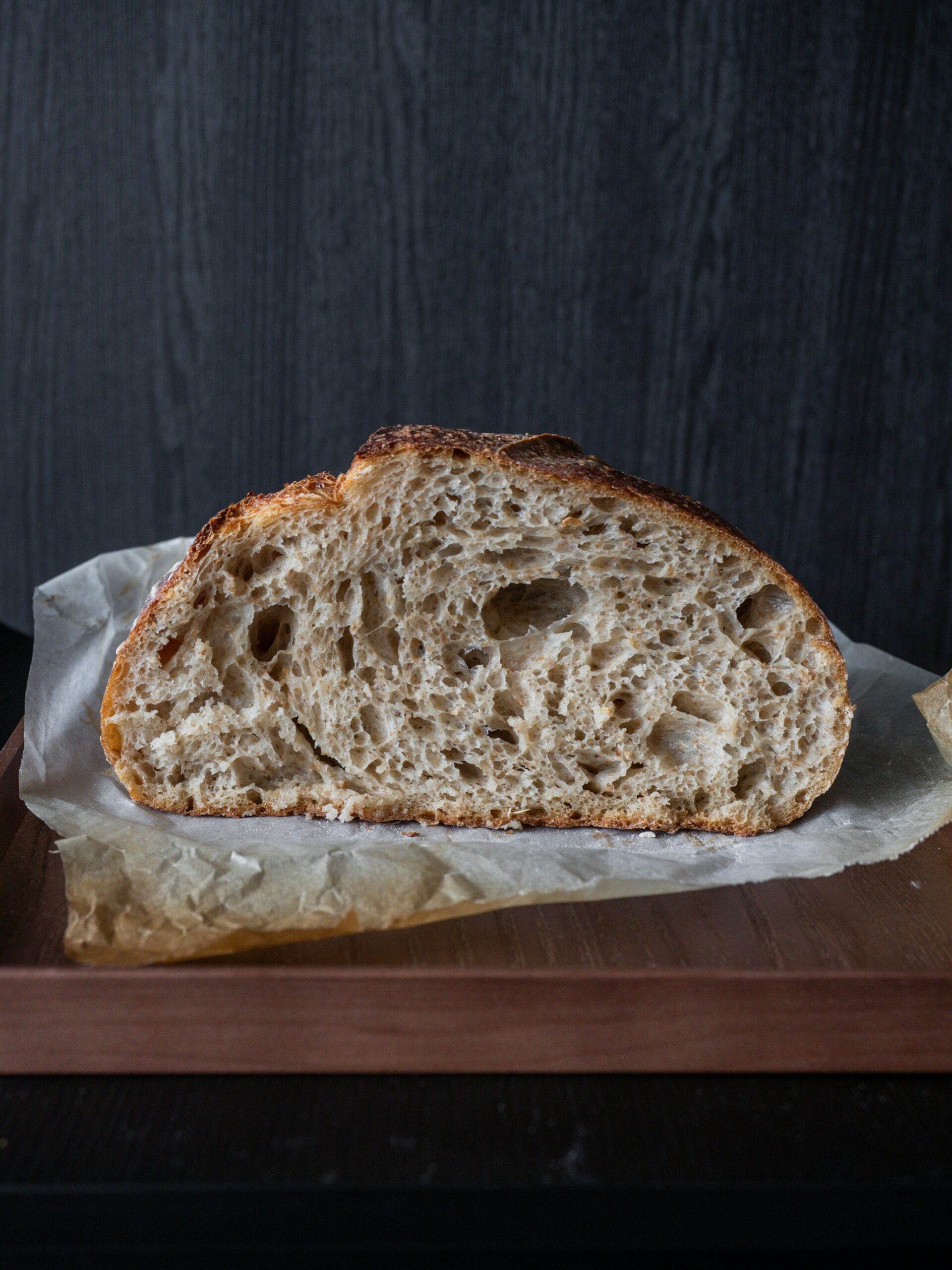
This recipe was kindly shared with us from a friend. He had mastered the recipe over time and was kind enough to let us share it with the world. The reason I love this recipe so much is because it actually tastes amazing as bread. Most Gluten Free (GF) bread needs to be toasted to be palatable.
THE RECIPE
This recipe produces a 1.1 kg gluten free loaf. The bread is soft and moist enough to use for sandwiches and keeps fairly well for a GF bread. It toasts well, especially in a sandwich press.

IMPORTANT COMMENTS TO NOTE
Water temperature and rising
The temperature of the water used has a large influence on how the batter rises. If the water is too warm, the batter will rise quickly but can overflow the tin and will not form a nice dome on the loaf. It lacks structure. Using cooler or cold tap water makes the batter rise more slowly, giving the loaf a nice dome when baked. To warm the batter just enough, the loaf tin can be placed in a bath of hot tap water. A roasting dish or Sistema container large enough for this is ideal. Covering everything while rising helps to keep the batter warm and moist.
Mixing
This recipe has been developed using a planetary bowl mixer (a fancy cake mixer). Because this recipe is gluten free and uses xanthan gum to get the thickening / sticky effect of gluten, a planetary bowl mixer is probably not required. These are normally to extract the ‘glutenous’ element of regular bread. Any other method of mixing may be sufficient, including hand mixing (although this has not been tested). The batter is relatively thin up until the xanthan gum is added.
Storage
Store in a Sistema container or brown paper bag. Doesn’t need to be refrigerated. Seems to last 2 or 3 days without drying out too much, although we normally eat it before it gets too old.

Finding Ingredients
Ingredients are readily available at most supermarkets. At Countdown they are in the specialist gluten free section. At PaknSave they are in the flour section (noting the xanthan gum may be in the specialist gluten free section). Total ingredients cost for a loaf is between $8 and $10, depending on the options below.
- For the Flours, Ceres Organics provides an organic option, or the Pams range provides a cheaper option.
- Xanthan gum is very expensive based on a per kg cost when purchased from a supermarket. Options are available online or from specialty stores to purchase this at about half the cost. The 1 Tbsp used in a loaf is 10 grams, so factor this in if buying a larger quantity (250gm will last 25 loaves).
- Oil: Any oil can be used. The recipe was developed with olive oil.
- Yeast: Use Edmonds ‘Active Yeast’. There are several types of yeast like ‘fast-acting’ and ‘Surebake’. These make a major difference to the rising and overall loaf. Surebake is not gluten free. The fast-acting ones rise too fast.
- Vinegar: The recipe was developed with Apple Cide Vinegar (because that was what was in the pantry), but white vinegar should be fine.
- Loaf Tin: The standard loaf tin is 23cm long, 13cm wide and 7 cm deep, but use what you already have.